We reduce climate and environmental impacts
A better tomorrow starts from respecting the environment and the climate.

A better tomorrow starts from respecting the environment and the climate.
Climate and energy management are guided mainly by the Group’s environmental policy, the certified ISO 14001 management system, and the Science Based Targets initiative (SBTi) climate commitment.
The system guides us to assess our material environmental impacts, define a programme for managing environmental aspects, and measure our performance in reducing environmental impacts.
The Berner Group is committed to reducing its greenhouse gas emissions in line with the Paris Agreement, and its emission reduction targets extending to 2030 cover both its own operations (Scope 1 and 2) and the entire value chain (Scope 3). The Group’s emission reduction plans guide emission reduction actions and define concrete steps to achieve the targets.
The Scope 3 emission reduction targets also include emissions from land-use change and land use (FLAG), which are reduced through initiatives such as the Hyvän Maan (“Good Soil”) cultivation programme.
| The approved SBTi emission reduction targets extending to 2030 cover both own operations (Scope 1 and 2) and the entire value chain (Scope 3). The Scope 3 emission reduction targets also include land use change and land use (FLAG |
The Berner Group’s most significant impact on nature occurs in the upstream part of the value chain, particularly in the production of raw materials, where changes in land use and pollution can cause harm to ecosystems.
The location of all our own production facilities in relation to protected areas has been mapped: no facility is located within a protected area, and no material harm to the surrounding nature from normal operations has been identified. The value chain’s impacts on nature have been assessed using tools such as the WWF’s Biodiversity Risk Filter.
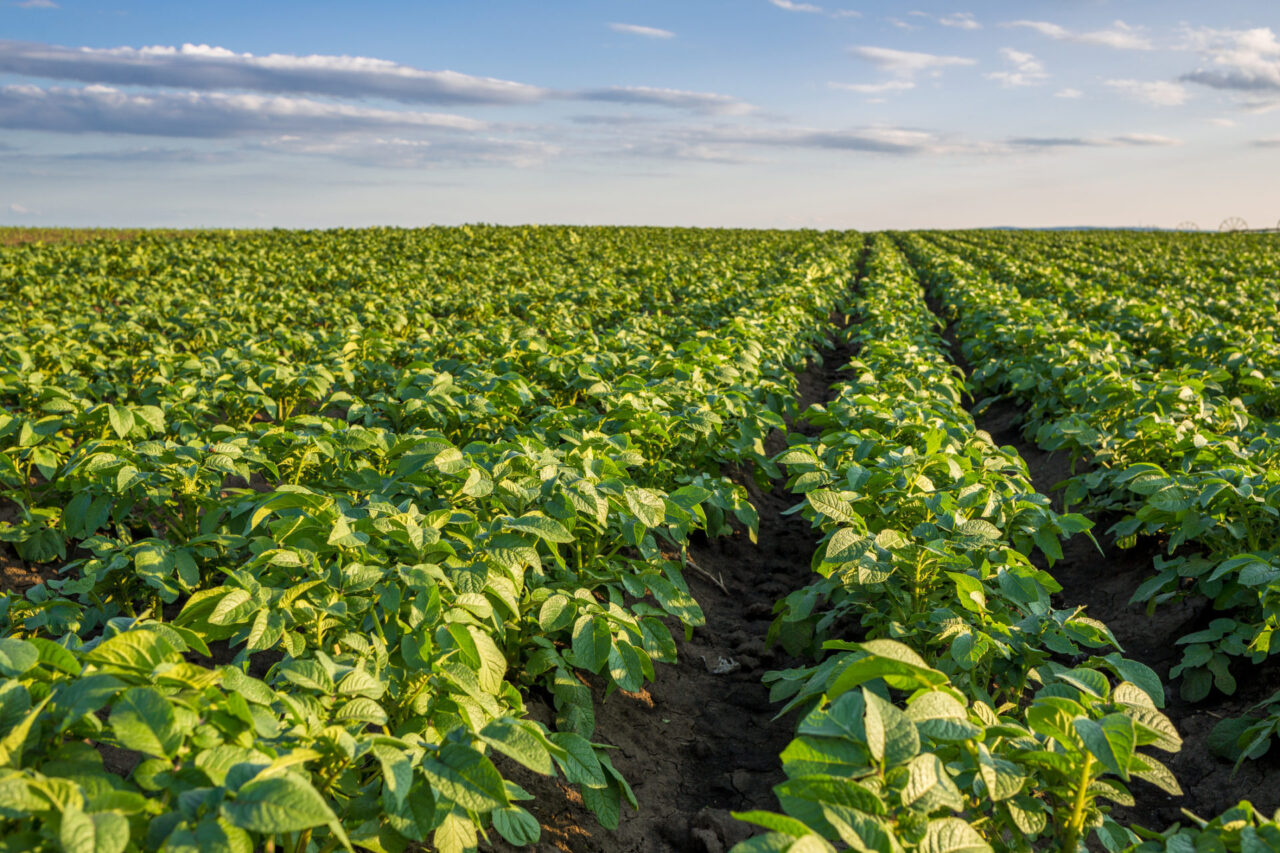
Berner’s Hyvän Maan (“Good Soil”) cultivation programme promotes regenerative agriculture, improving productivity while supporting soil health and biodiversity.
Biodiversity and biodiversity loss are strongly linked to other environmental issues, such as climate change, pollution, impacts on water bodies, and the use of natural resources and the circular economy.
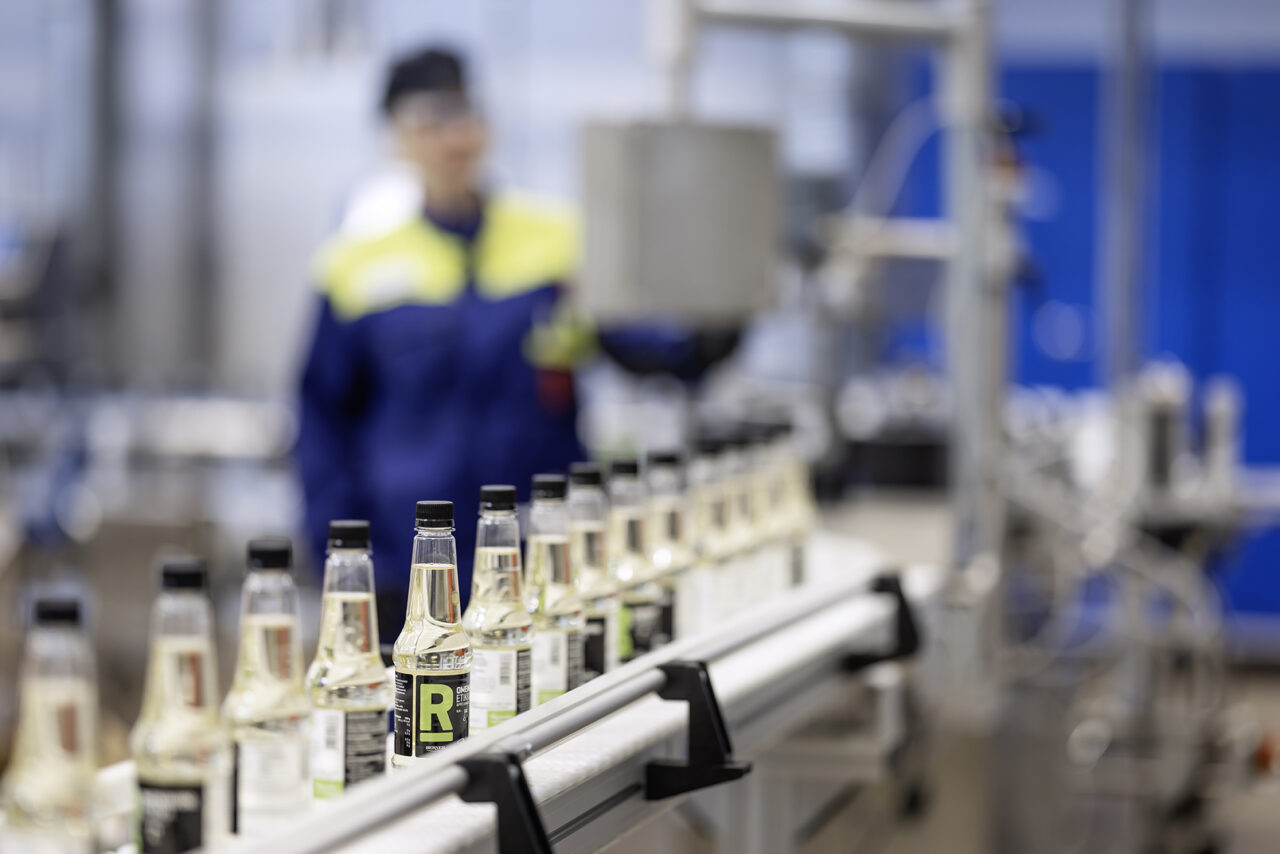
We aim to reduce the use of primary raw materials in products and packaging by focusing on material efficiency and by utilizing side streams and waste as raw materials. Material streams that were previously directed to waste in production have been successfully reused in products.
Within the value chain, we strive to promote the principles of the circular economy as part of our business operations and offer our customers circular economy solutions. Our goal is to help transform industrial production process side streams into valuable raw materials. This reduces the need for virgin raw materials and minimizes waste volumes.
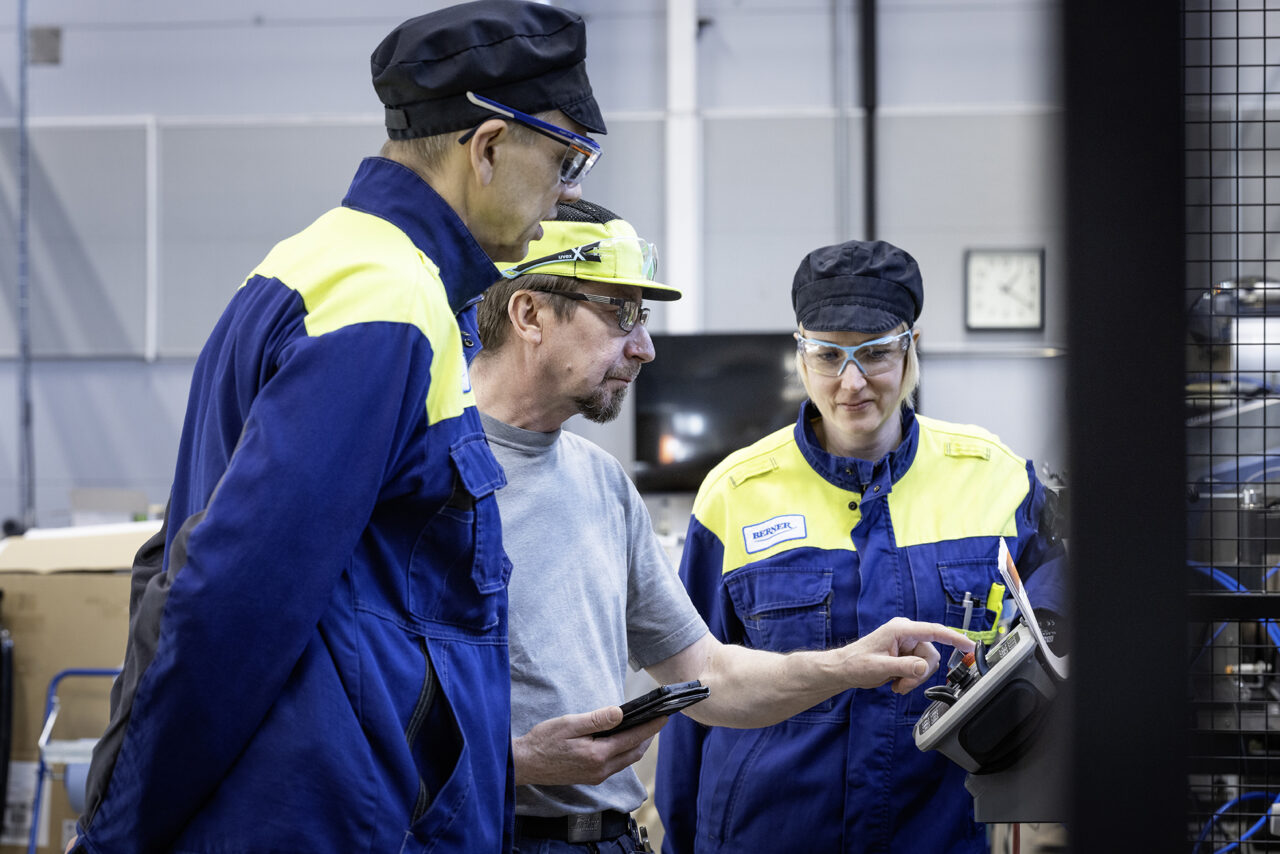
The Berner Group’s sustainability programme and ISO 14001 environmental policy guide us to reduce the use of virgin raw materials and to improve the recyclability of packaging.
Practical measures focus on increasing the use of recycled, renewable and industrial side stream materials in production and packaging. The transition is being implemented by optimizing procurement, developing circular economy products, utilizing bio-based packaging, and improving material efficiency. Materials that previously ended up as waste are being put to use in our own production.
Our priorities are material efficiency, production optimization and sustainable product design, so that little waste is generated and the value of materials is retained. Waste is minimized, and side streams are reused or directed further along the value chain. Packaging is largely recyclable. Waste that is unavoidably generated is collected separately and recycled efficiently in cooperation with waste management companies.
| Our Science Based Targets will be approved within the agreed timeframe. We will reduce our emissions in our own operations and in our value chain in line with our targets. Main targets (2030 vs 2021): Scope 1 and 2: -42% Scope 3: -51.6%, intensity target Scope 3, FLAG: -30.3% Scope 3.11.a: -42 % |
| Waste volumes have decreased in certain Group companies. In addition, across the Group, waste volumes have been reduced when adjusted for the impact of business growth on waste generation. In 2025, more waste (by tonnes) was diverted to recycling than in 2024. |
| In 2025, we mapped the environmental impacts and capabilities of our most important suppliers and identified biodiversitysensitive areas near our own sites. |
| The volume of recycled side streams was 173,596 tonnes in 2025. The total for 2023–2025 was 491,355 tonnes. |